Gringo, Latino, Indian, Guanaco, Salvadoran, Canadian, Indigenous, Mestizo, Chinese, Paki…
I have referred to myself by these and/or have been called these things by strangers, family, colleagues, friends throughout the course of my life.
I believe I know what some of these terms mean . Others, I am rather uncertain and continue to chase after a sense of their meaning.
Like all words some have the wight of authority, while others have the weight of history.
I am Canadian by birth – I was born in North York, Ontario. This is my nationality, my citizenship. And while I am not technically a citizen of El Salvador, I am constitutionally entitled to citizenship by virtue of my parents having been born there.
On numerous occasions I have been asked whether I consider myself Salvadoran and/or Canadian. I feel a more interesting field of inquiry, one that has yielded considerable more sad, heart-breaking and downright funny fruit, has been how people perceive me.
For example, when I was in university my younger, paternal cousin asked me if would answer a survey for her school project on what it felt like to immigrate to Canada. I responded by reminding her that I was born in Canada. She quipped (embarrassingly?) by saying that it didn’t matter. I asked her why she thought I immigrated to Canada. She laughed and asked: why do you speak with an accent? I concluded the matter suggesting she interview her brother who had in fact immigrated to Canada not long before she was assigned the school project.
I was once hanging out with a bunch of friends during my time in law school. It was a mix of Persian, Latin American and other friends from various backgrounds. At one point one of the friends asked me: when did you leave El Salvador? I responded by telling him: I never left!
During my undergraduate degree a white, Anglo-Saxon friend turned to me and asked (in his pristine southwestern Ontario English): why do you speak with an accent? I replied by stating what I thought was an obvious point: everyone speaks with an accent, don’t they?!
During my high school years I worked at a postal outlet in a pharmacy. I recall on one occasion while assisting a customer, another customer interrupted and asked me the price of an envelope. I replied advising him that I would serve him right after I finished serving the customer I was in the middle of serving. Unimpressed with my answer, he berated me for not knowing about customer service and that he I should behave as a gentleman – like him. Later my boss advised me that this customer had complained to him in a rage, asking: “I don’t know what’s wrong with that Chinese guy you got working back there in the post office!” My boss told me that he responded by informing the customer that I was in fact NOT Chinese and that I was one of his best employees.
I remember two cars, full of white boys, driving past me and Roberto in Guelph yelling at us, telling us to go back to Mexico (funny thing is that Roberto was indeed born Mexico – to Salvadoran parents, so they were partially right). I remember Roberto and I responding by telling them where they should go! Then I remember the two cars abruptly stopping and 8 white boys emptying out of the two cars – in a perceived effort to persuade of us of the superiority of their colour and numbers.
I remember that time when that Italian kid from a Niagara Falls soccer team calling me a “Paki” on the pitch and feeling the anger swell-up inside me, with nowhere to go. I also recall that no one – not the ref nor the coaches – did anything to protest the racial abuse directed at me in the midst of the match.
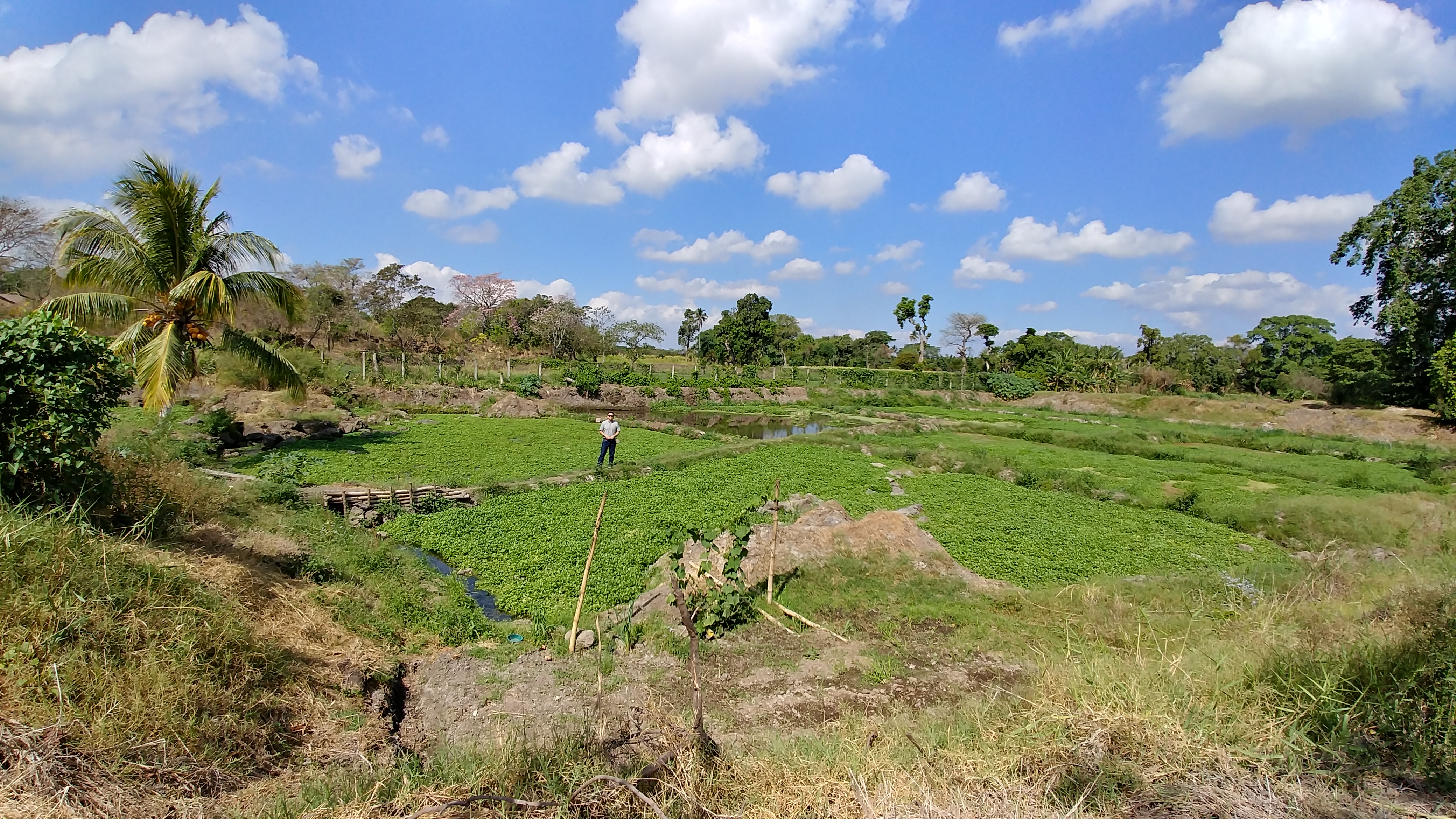
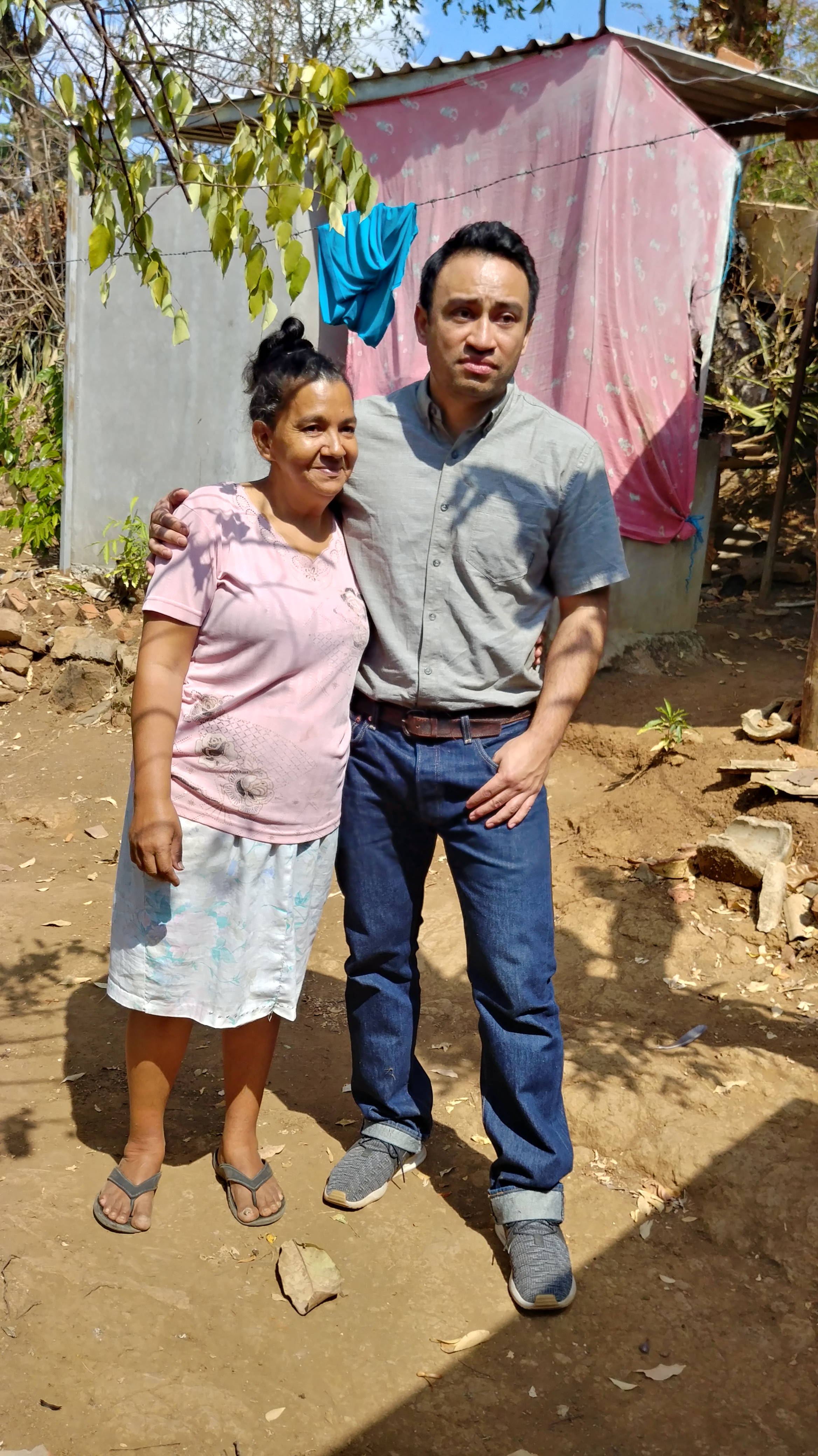
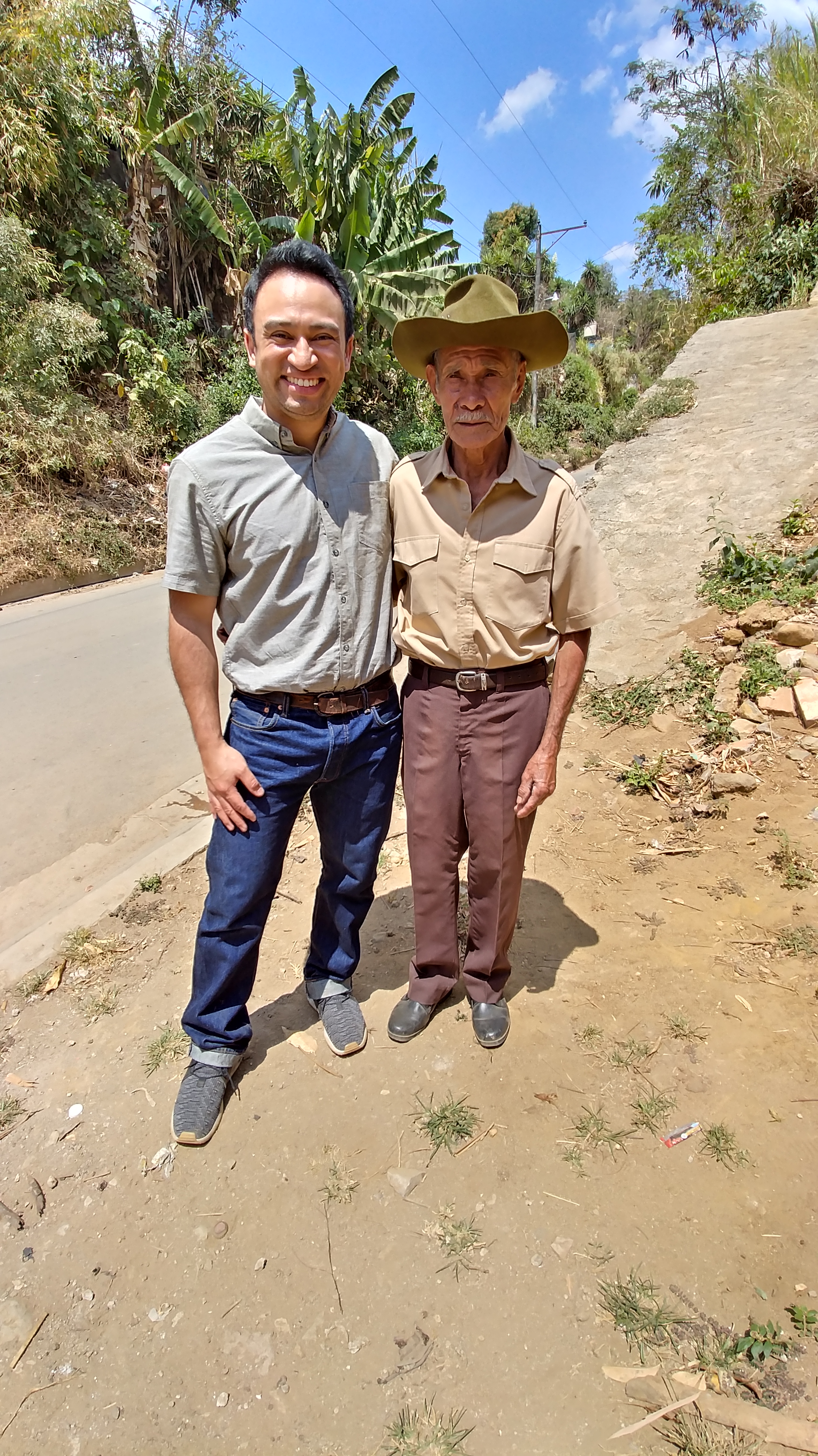
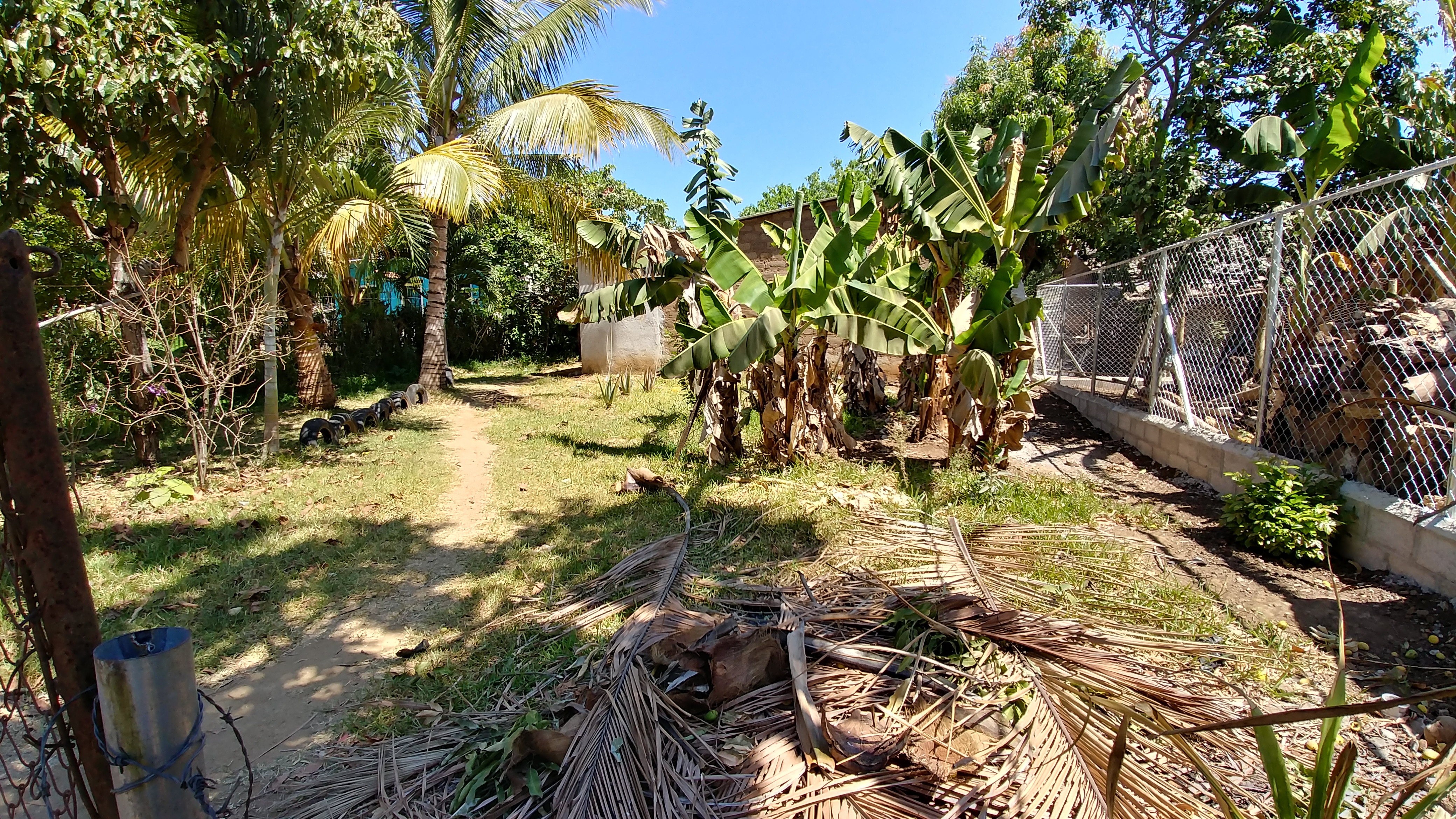
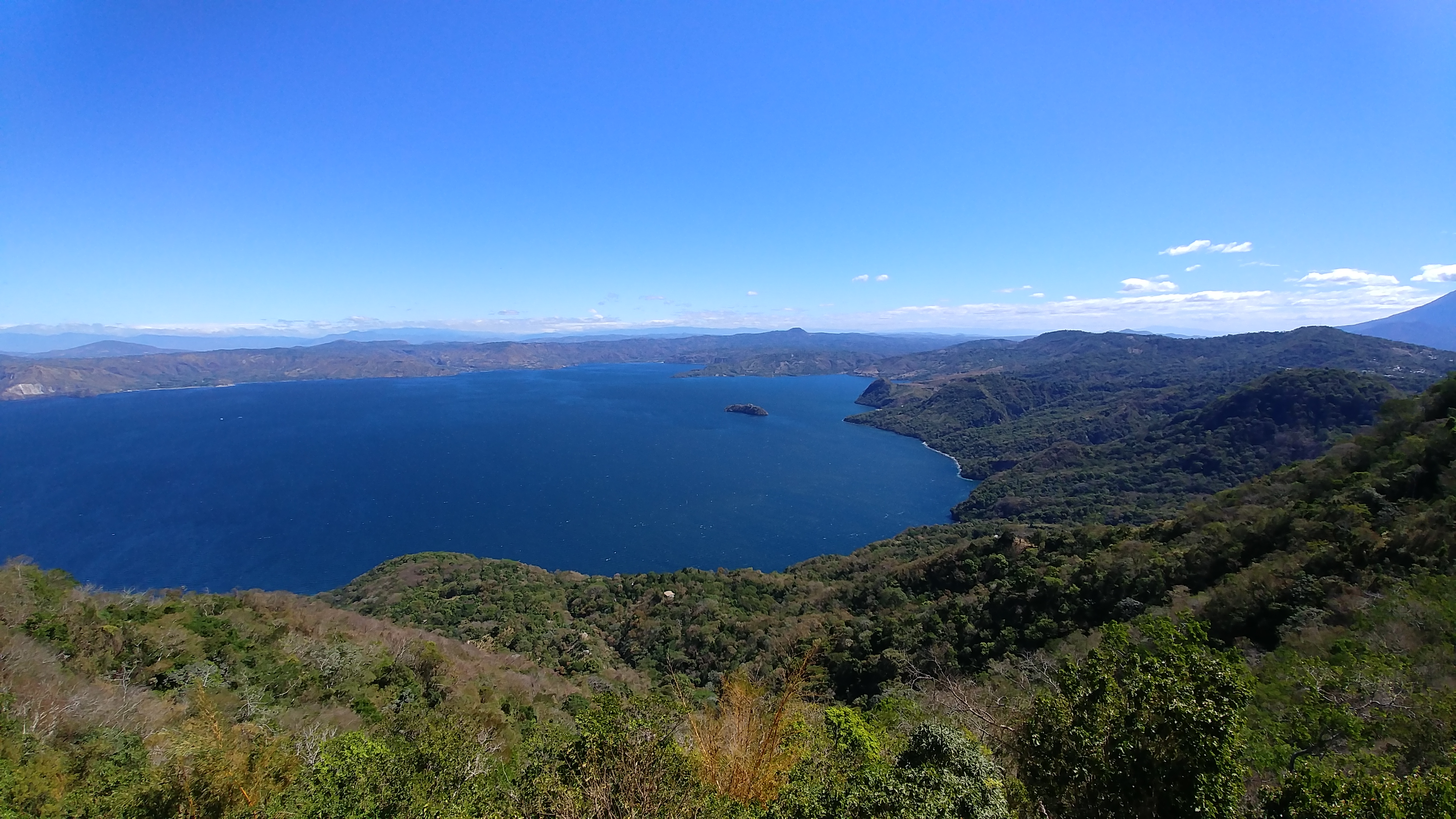
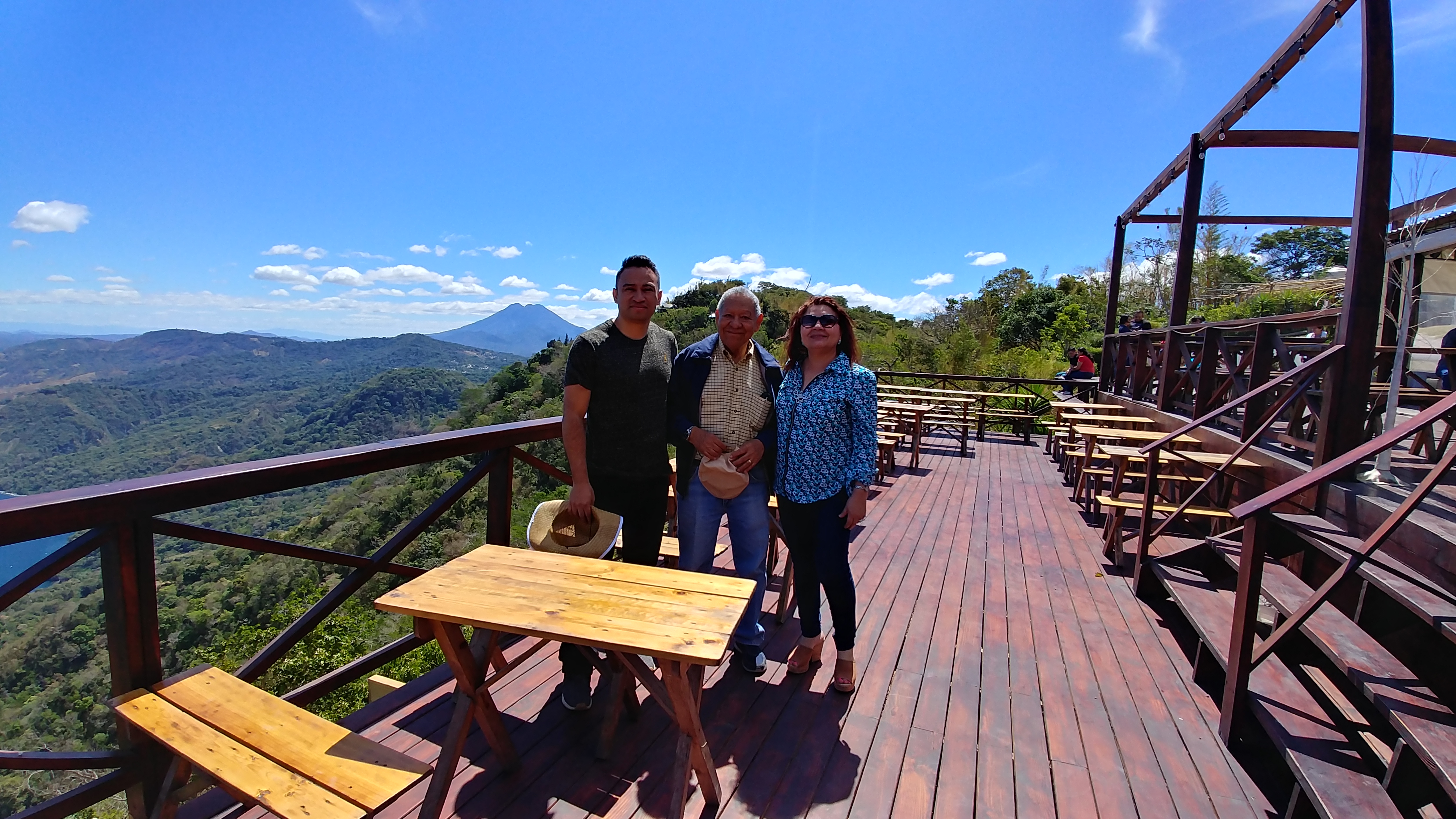
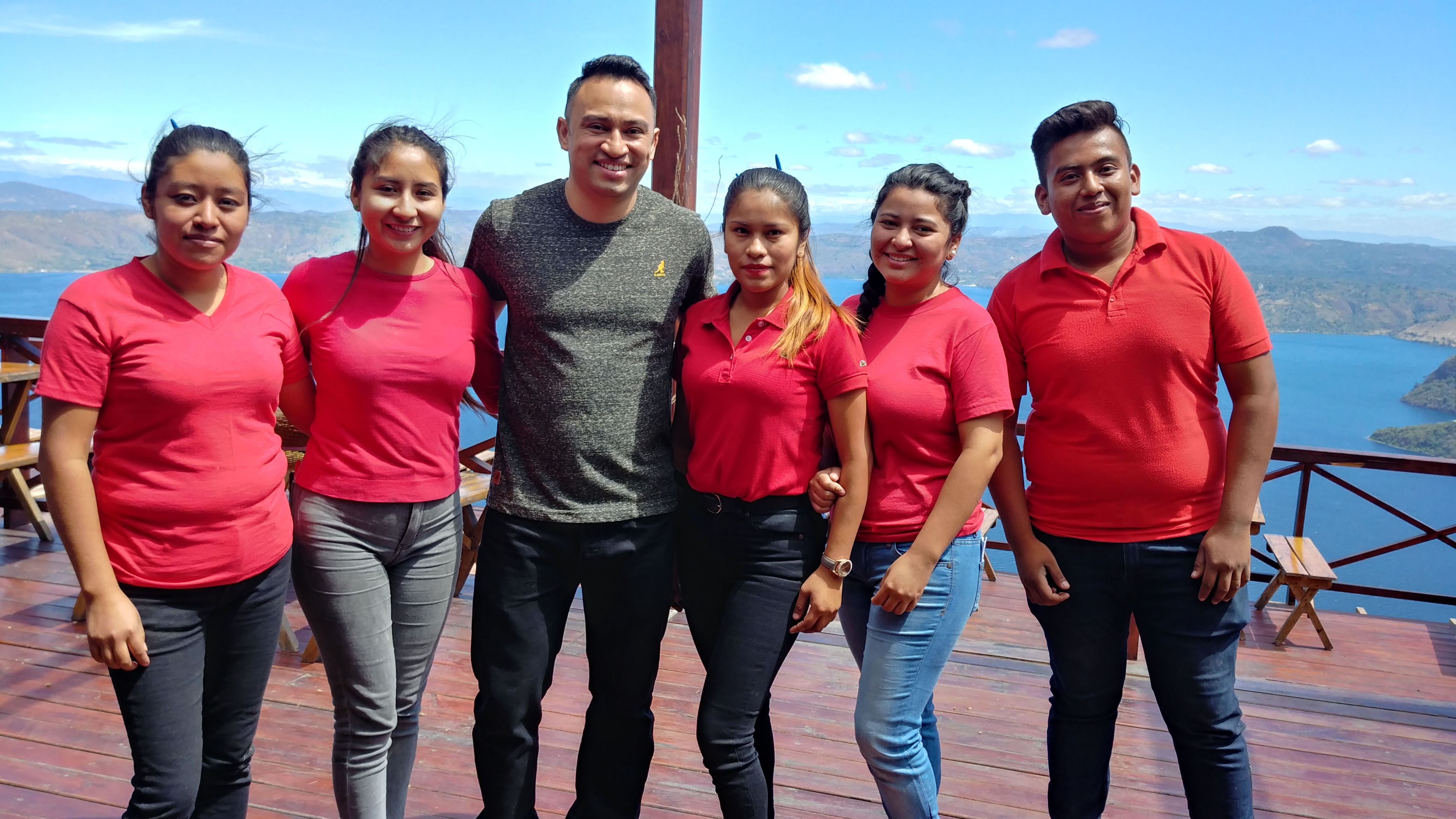
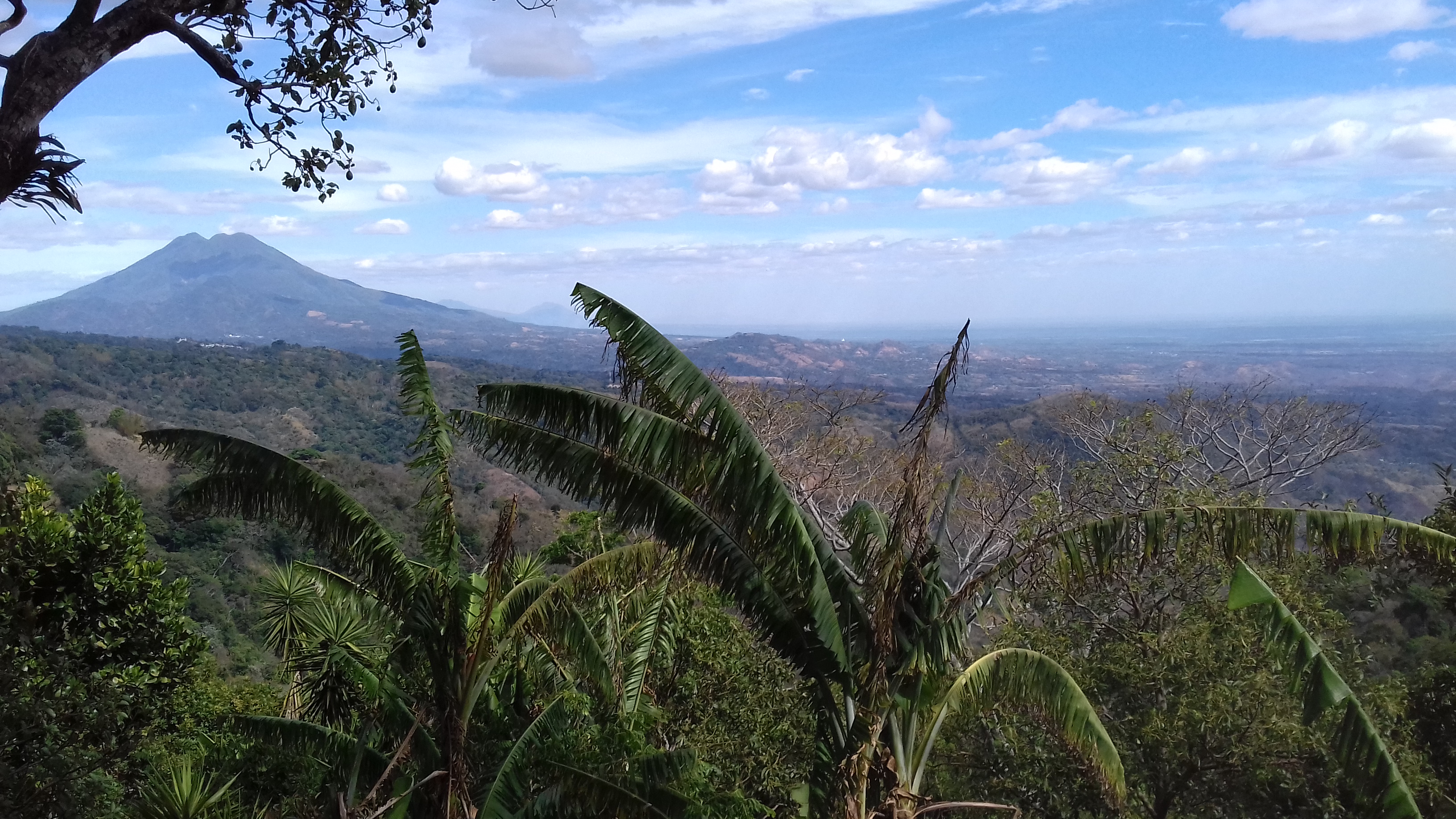
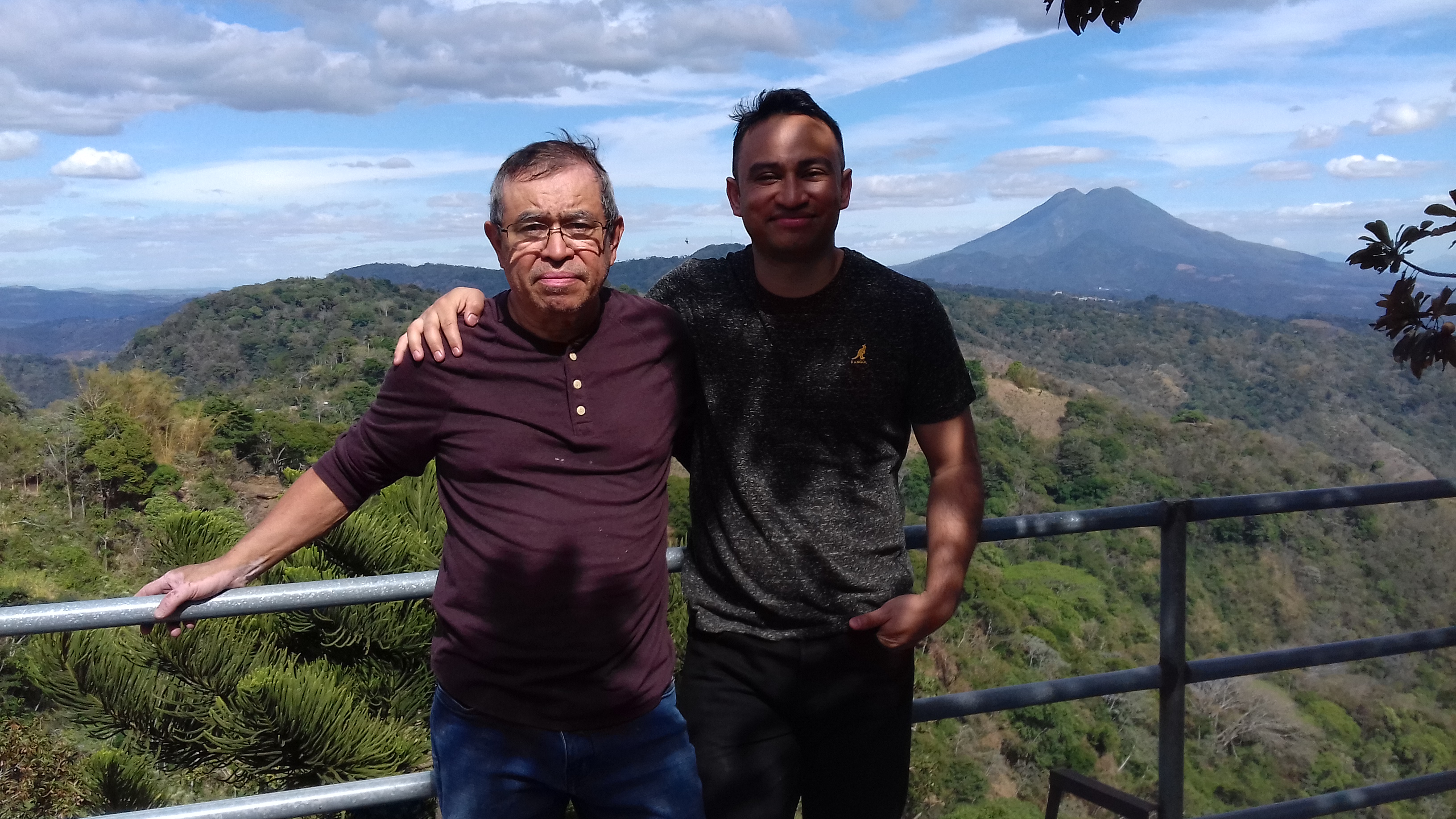
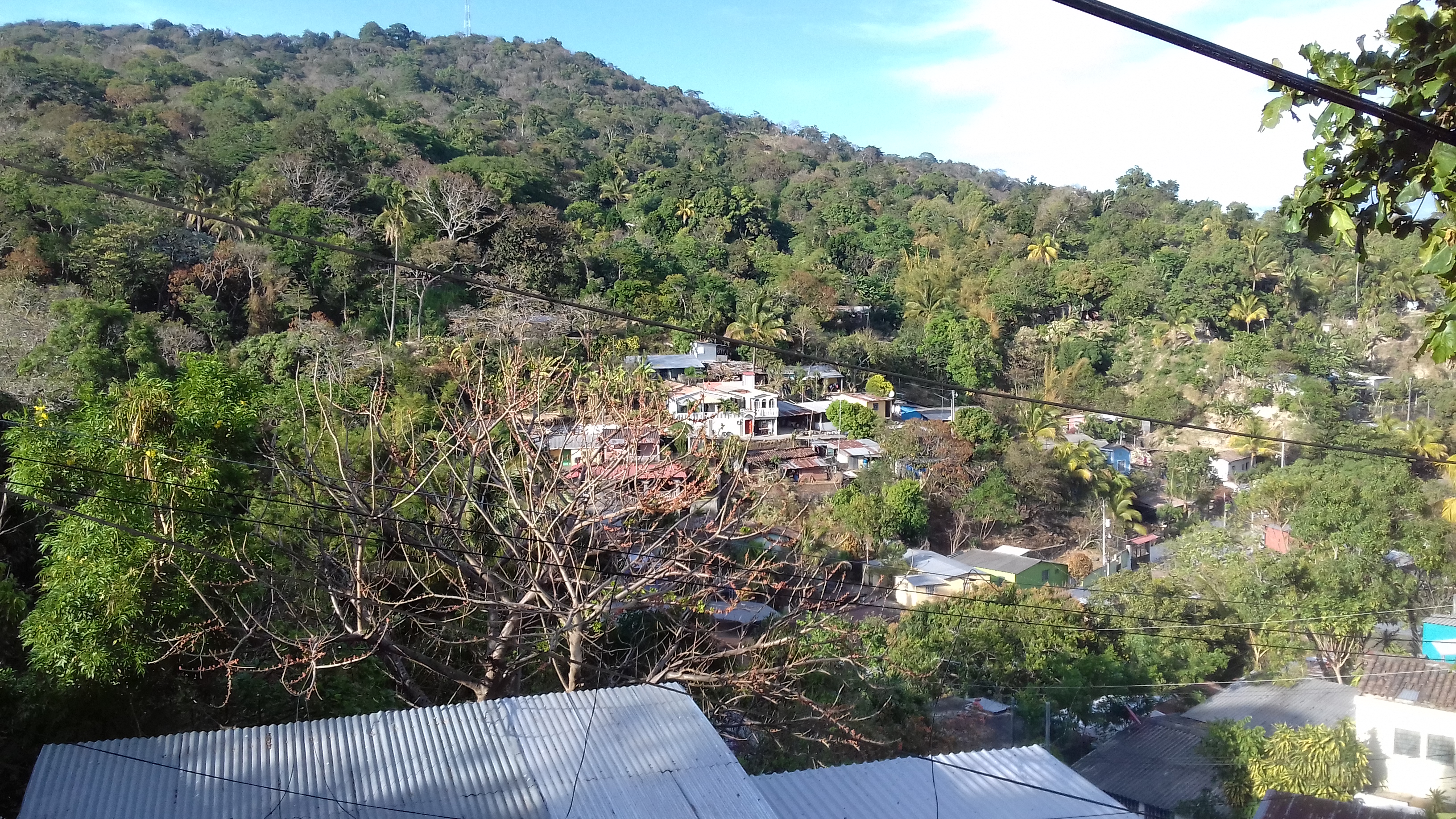
My father’s family is from San Juan Chiquito, El Porvenir, in the District of Chalchuapa (Jade River in the Mayan language), in the department of Santa Ana.[1] The land on which San Juan Chiquito is built belonged to the Indigenous community of Chalchuapa prior to it being purchased by an association of Ladinos.[2]
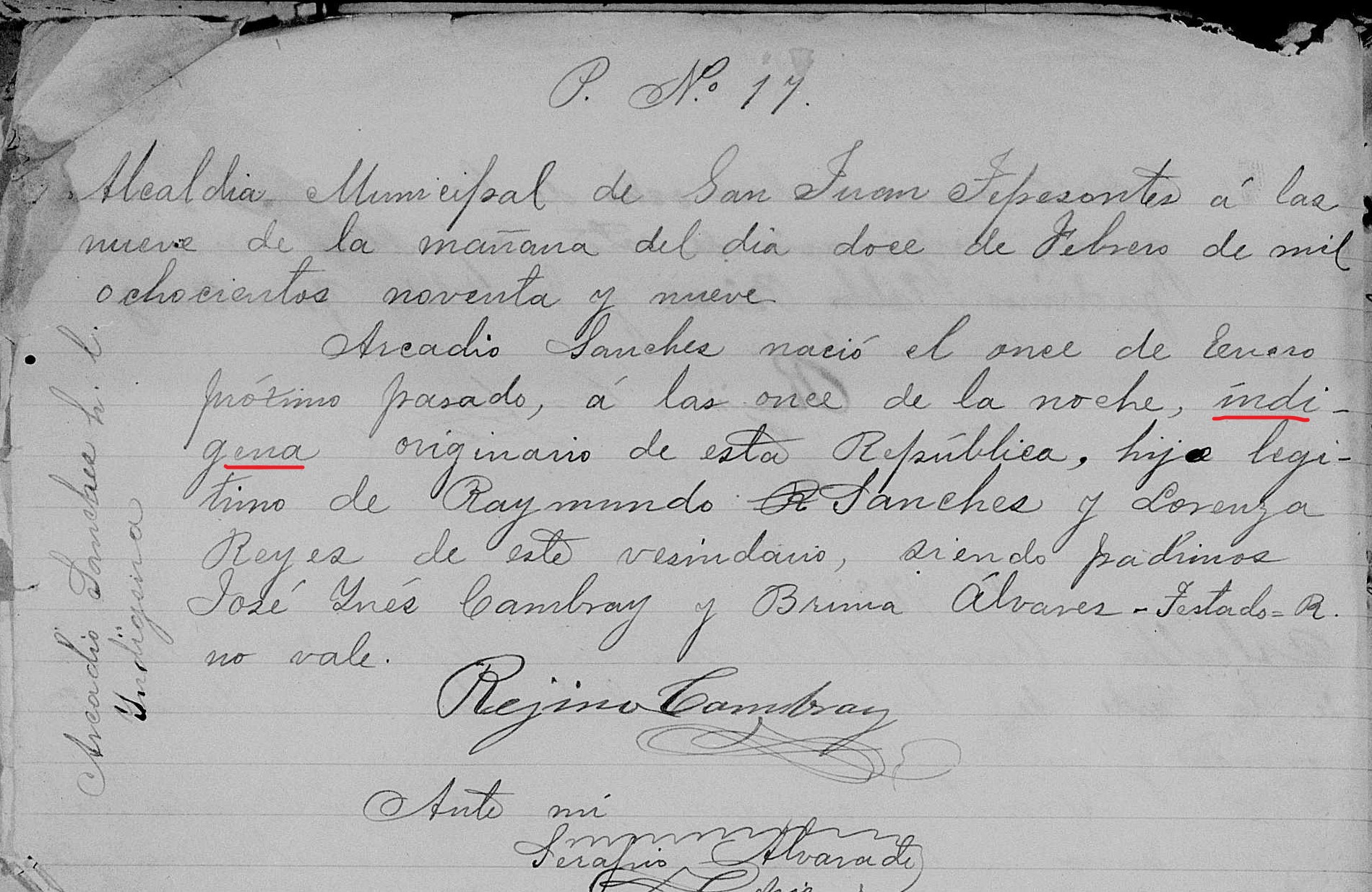
My mother’s family, on the other hand, is from the Tepezontes (San Miguel and San Juan), La Paz – nestled within the folds of several hills on the south side of a volcanic crater lake called, Ilopango. These sister towns were designated “Indian towns” by Spanish colonial authorities whose population spoke Nahuat and dedicated themselves to the cultivation of corn, and indigo.
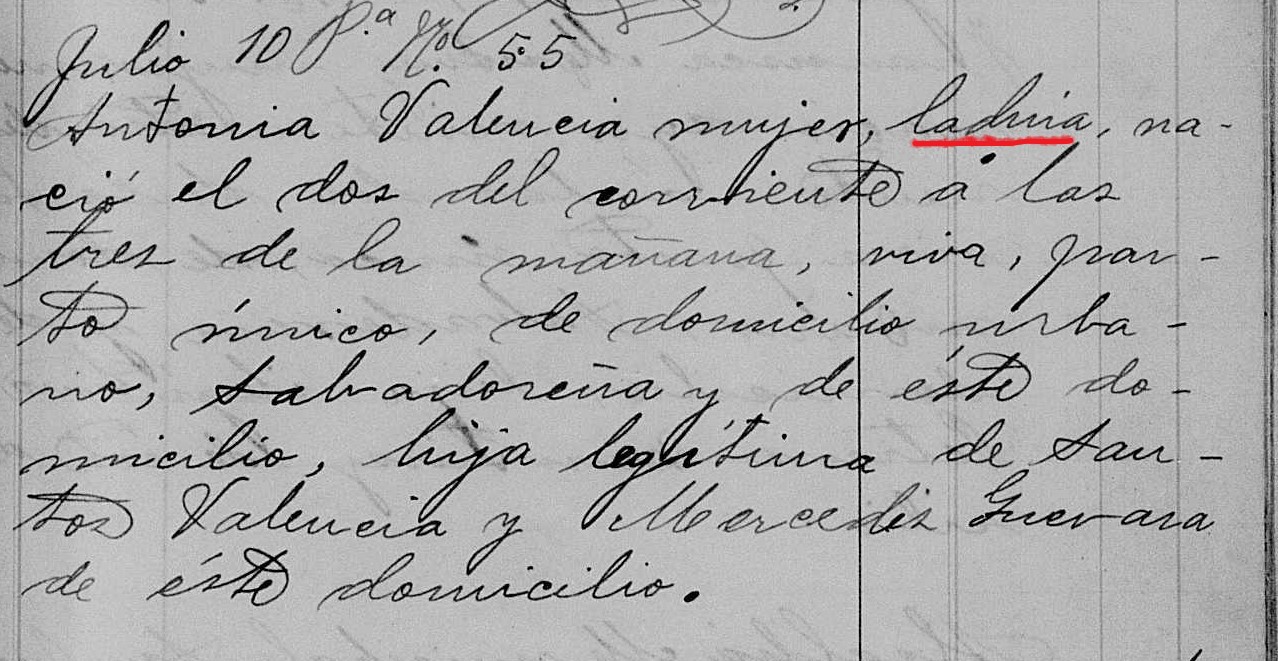
My maternal great-grandfather’s birth registration includes the notation “indigena” while his sibling’s birth registrations note that they were born “indios.” My maternal great-grandmother, on the other hand, is noted as being “ladina” in her birth certificate, while her siblings are labelled “indios.”
The inconsistent application of these notations reveals the complexity, and subjectivity, of racial and ethnic identity administered by the registrars. They create uncertainty around the meaning of these terms rather than clarity and generate further questions rather than answers.
So, what do I consider myself: Canadian, Salvadoran…? I will provide you the best answer I can give you at the moment and one that has served me well during my brief career as a lawyer:
-it depends.
[1] The Capital of the Department, also Santa Ana, was built at the site of the pre-Hispanic town of Sihuatehuacan (The Place of Women).
[2] Monografías Departamentales, Doctor Santiago I. Barberena, 1909, pg. 52.
 ¡Se le salió el indio!